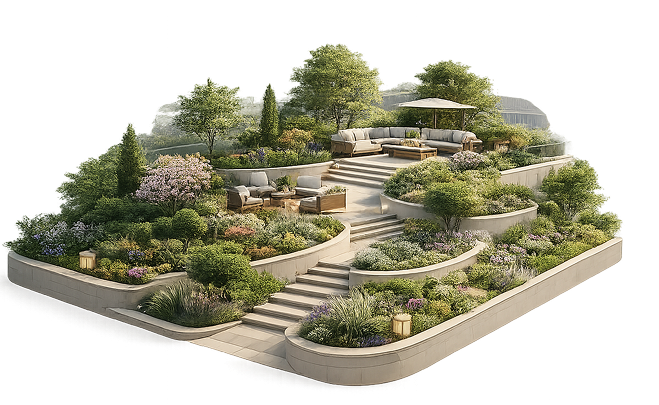
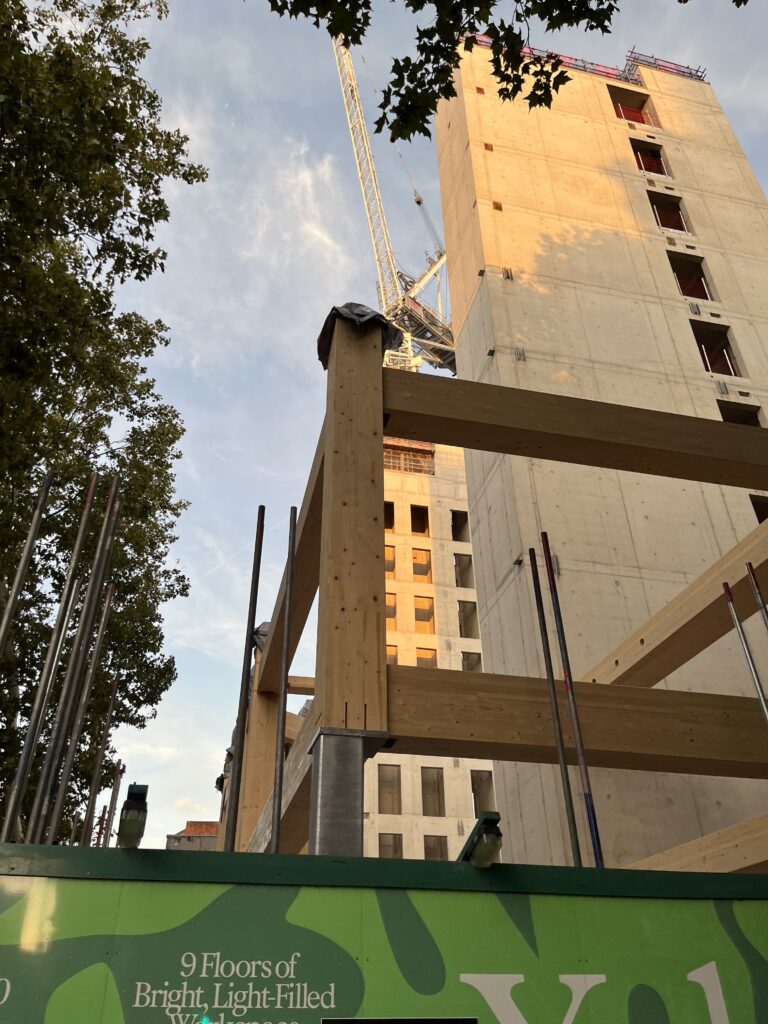
Timber rises in Clerkenwell
NEWS | CONSTRUCTION
The truth about
sustainable forestry
Why responsibly managed forests are part of the climate solution.
How can building more offices from timber possibly be good for the environment? Doesn’t it simply mean cutting down more trees?
The reality is far more nuanced and far more encouraging. Responsible forestry isn’t about taking from nature, but about working with it. In fact, carefully managed forests are one of our greatest allies in tackling climate change.
It sounds like a contradiction
For many people, the idea of constructing large commercial buildings from timber immediately raises one question:
Surely that means cutting down more forests?
It’s an understandable reaction.
For decades we’ve been told that protecting forests means leaving them untouched. But that’s not how sustainable forestry works.
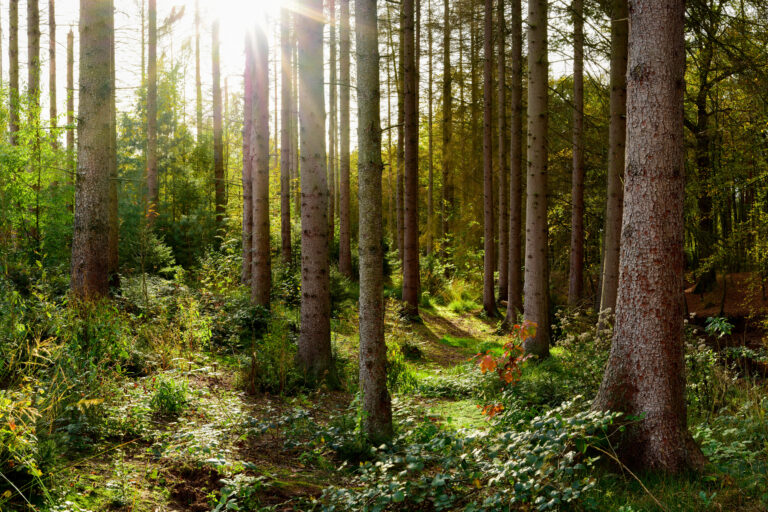
In fact, many of Europe’s healthiest forests are actively managed in the name of conservation.
The forests that supply structural timber are carefully planned over decades, balancing harvesting, regeneration and biodiversity so that they continue to thrive long into the future.
Far from diminishing forests, responsible forestry ensures they remain productive, resilient and capable of storing carbon for generations.
More than 90% of Europe’s forests are managed, and the total forest area has been growing for decades.
Source: Food and Agriculture Organization of the United Nations & Forest Europe
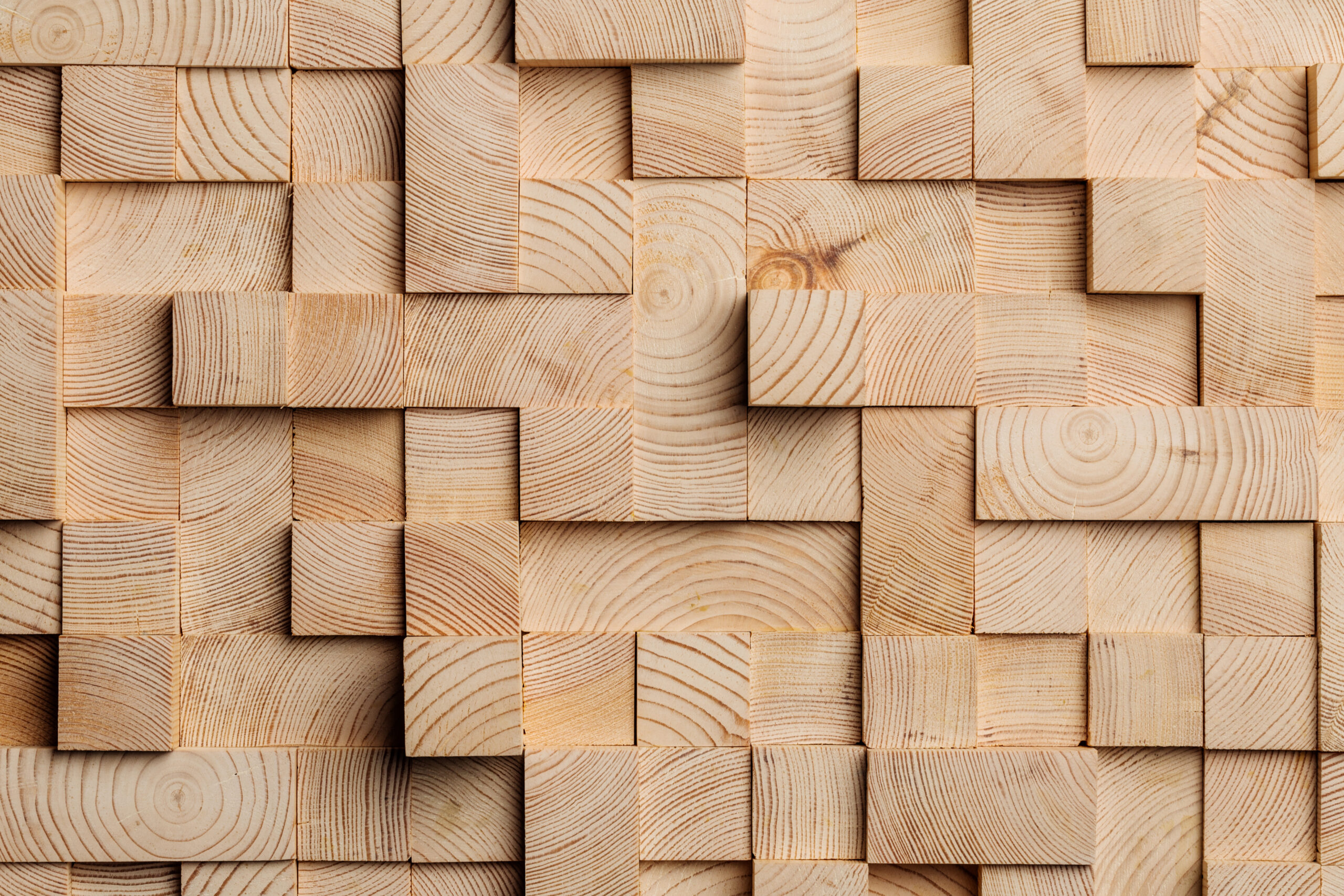
Nature’s renewable building material
Unlike steel, concrete or stone, timber comes from a living resource.
The majority of structural timber used in modern commercial buildings comes from fast-growing softwood species such as Norway spruce, European silver fir, Scots pine and larch.
These trees are cultivated specifically for construction across sustainably managed forests in countries including Austria, Germany, Sweden and Finland.
They are not ancient forests. Nor are they harvested indiscriminately.
Foresters carefully monitor how each woodland develops over many decades, selectively thinning younger stands to improve forest health and removing mature trees when they reach peak structural quality.
New trees are continually planted or naturally regenerated, ensuring the forest remains productive while supporting wildlife, protecting watercourses and strengthening biodiversity.
Like any well-managed ecosystem, balance is everything.
Younger forests work harder
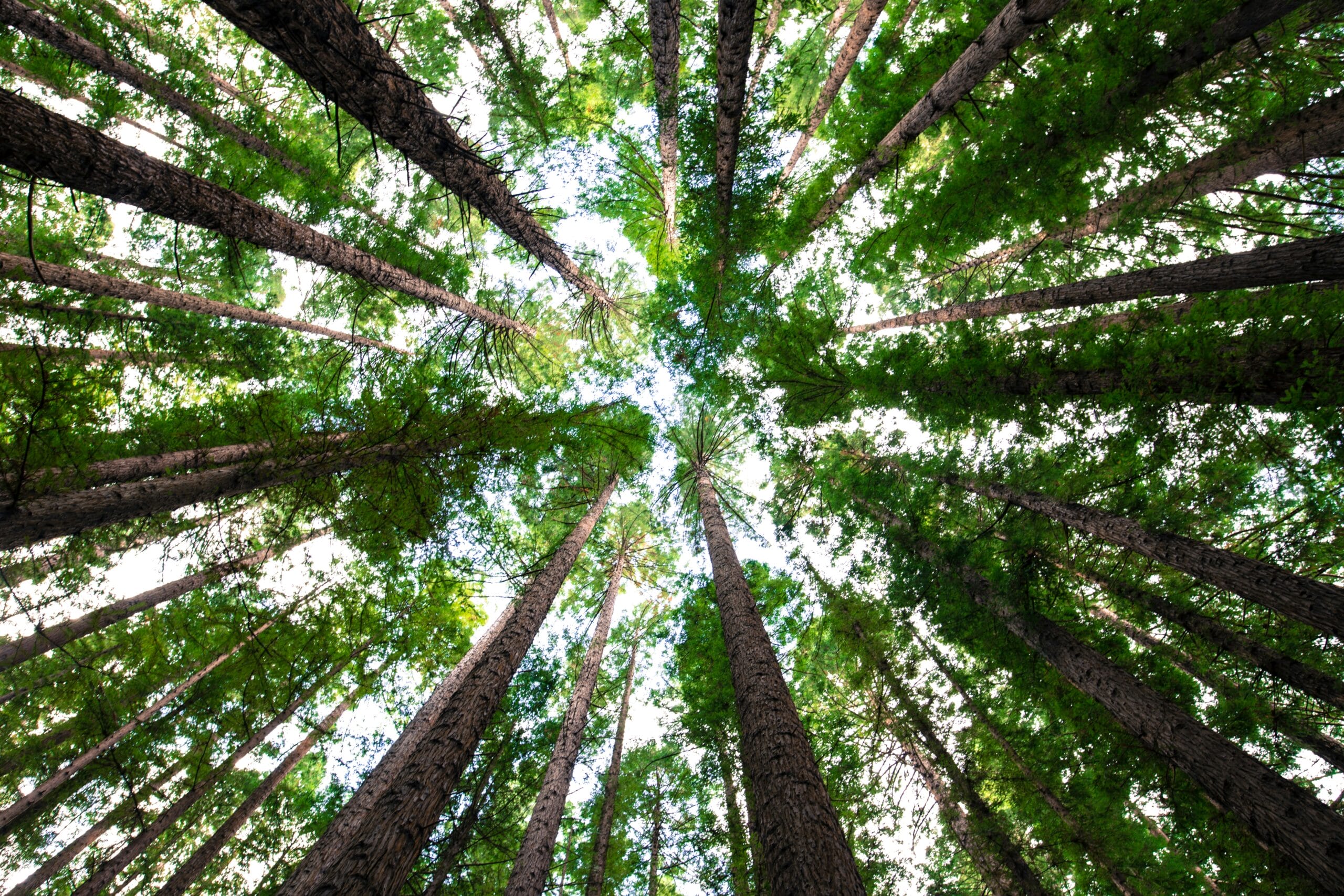
One of the most surprising aspects of forestry is that younger trees often absorb carbon more rapidly than older ones. As trees mature, their growth naturally slows. By carefully harvesting mature trees and encouraging new growth, managed forests maintain a continuous cycle of active carbon absorption.
Meanwhile, the harvested timber continues storing that carbon within buildings for many decades – often much longer.
The result is two complementary forms of carbon storage:
Rather than interrupting the carbon cycle, sustainable forestry extends it.
Healthy forests support far more than timber
The value of sustainable forestry extends well beyond construction.
Responsibly managed forests help protect habitats for birds, mammals and insects, improve soil quality, regulate water systems and reduce the risk of disease and wildfire through careful thinning and long-term stewardship.
Independent certification schemes such as the Forest Stewardship Council (FSC) and the Programme for the Endorsement of Forest Certification (PEFC) provide assurance that forests are managed responsibly, with strict standards covering biodiversity, regeneration and community welfare.
Every stage, from forest to factory, is fully traceable.
Building with nature instead of against it
The conversation around sustainable construction has changed.
It is no longer enough simply to reduce the environmental impact of buildings. Increasingly, developers are asking a more ambitious question:
Can buildings actively become part of the climate solution?
Responsibly sourced timber is one of the few structural materials capable of answering yes.
Every building constructed from certified mass timber represents years of captured carbon, renewable resource management and careful stewardship stretching back decades before construction ever begins.
It reminds us that great buildings don’t start on a construction site.
They begin in nature.